While India’s metros have long been the playground for big brands, the real growth engine of 2026 has shifted toward the heartland. Data shows that consumer spending in smaller urban centers is outstripping Tier 1 growth by nearly 1.5x, making Restaurant Franchise Opportunities in Tier 2 & Tier 3 Cities the most lucrative frontier for new entrepreneurs. In cities like Raipur, Lucknow, and Kota, the demand for hygienic, branded dining experiences is at an all-time high, yet the supply remains surprisingly thin.
Key Takeaways
- Lower Overheads: Reduced rentals and labor costs in smaller cities lead to faster break-even points.
- High Brand Loyalty: Tier 2 and 3 consumers show stronger long-term loyalty to quality brands compared to fickle metro markets.
- Market Gap: There is a massive demand for organized, pure veg food franchises that offer “metro-style” hygiene with local flavors.
- Scalability: Modern logistics and supply chains now make it easier to maintain quality in remote locations.
Why Tier 2 & Tier 3 Cities Are the New Growth Hubs
For years, investors focused on Mumbai, Delhi, and Bangalore. However, in 2026, the saturation in these markets has led to skyrocketing rents and intense competition. Conversely, the “Bharat” story is unfolding in smaller cities where the middle class is expanding rapidly.
People in these cities have high disposable income and an even higher aspiration for branded food. They are no longer satisfied with unorganized local stalls; they want the trust and consistency of a best restaurant franchise. This shift has created a goldmine for those looking at Restaurant Franchise Opportunities in Tier 2 & Tier 3 Cities.
The Advantage of Lower Operational Costs
One of the biggest hurdles in the F&B industry is the “Rental Trap.” In Tier 1 cities, rent can swallow 20-25% of your revenue. In Tier 2 and Tier 3 locations, this figure often drops to 8-12%.
| Expense Category | Tier 1 City | Tier 2/3 City | Impact on Profit |
|---|---|---|---|
| Monthly Rent | Very High | Affordable | Higher Margins |
| Staff Wages | High | Competitive | Lower Fixed Costs |
| Local Marketing | Expensive/Crowded | Targeted/Effective | Better ROI |
| Competition | Extreme | Emerging | Faster Market Share |
The Demand for Pure Veg and Street Food Concepts
In the Indian context, the most resilient business model is the pure veg food franchise. Whether it’s a family outing or a quick snack, a significant portion of the population in smaller towns prefers vegetarian-only establishments for cultural and religious reasons.
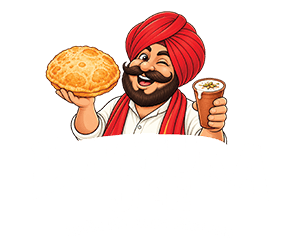
This is where a chaat franchise becomes a powerhouse. Chaat is the soul of Indian street food. By taking traditional favorites—like Pani Puri, Aloo Tikki, and Papdi Chaat—and serving them in a hygienic, branded environment, you solve the biggest pain point for small-city consumers: Cleanliness.
“The modern Indian consumer in Tier 2 cities isn’t just buying food; they are buying an experience and an assurance of health.”
How to Choose the Right Restaurant Franchise Opportunity
Not every brand is built for smaller markets. When exploring Restaurant Franchise Opportunities in Tier 2 & Tier 3 Cities, look for models that balance low investment with high recall.
1. Low Investment, High Returns
Look for a low investment food franchise that doesn’t require massive square footage. A compact, efficient kitchen reduces your initial capital risk.
2. Simplified Supply Chain
In smaller towns, sourcing exotic ingredients can be a nightmare. Successful brands like Chaat Ka Chaska use a standardized “Base Ingredient” model, ensuring that the taste in Lucknow is exactly the same as it is in Saharanpur.
3. Comprehensive Support
For first-time entrepreneurs, the buying a restaurant franchise in India process can feel overwhelming. Choose a partner that assists with:
- Site selection and interior design.
- Staff training and SOPs.
- Restaurant franchise marketing to build local hype.
Overcoming Challenges in Smaller Markets
While the opportunity is vast, Tier 2 and 3 cities have their own set of rules. Word-of-mouth is more powerful here than Instagram ads. Your reputation depends on consistency.
If you are a first-time investor, it is often safer to buy a veg restaurant franchise rather than starting from scratch. A proven business model gives you a roadmap, helping you avoid common pitfalls like poor menu engineering or inefficient waste management.
Top Emerging Cities for Food Franchises in 2026
Based on recent urban development and consumer spending data, these cities are currently “hot zones” for F&B investment:
- North: Pathankot, Meerut, Aligarh.
- West: Jalgaon, Ahmadnagar, Kolhapur.
- Central: Gaya, Raipur, Deoghar.
- South: Tirupur, Secunderabad.
For a deeper dive into specific locations, check out this city-wise franchise guide.
Conclusion: Taking the First Step
The window for securing prime locations in India’s growing towns is narrowing. As infrastructure improves and digital connectivity brings global trends to every doorstep, the demand for quality dining will only accelerate.
Restaurant Franchise Opportunities in Tier 2 & Tier 3 Cities represent more than just a business; they are a chance to lead the modern food revolution in your own community. By partnering with a brand that understands the Indian palate—like Chaat Ka Chaska—you align yourself with a profitable food business designed for the future.