Embarking on the entrepreneurial journey can be exhilarating, especially when considering a dynamic sector like the food industry. Many aspiring business owners, particularly a young audience eager to make their mark, often look towards the stability and proven model of a restaurant franchise. It offers a structured path to ownership, reducing some of the risks associated with starting from scratch. However, the excitement of a new venture must be balanced with meticulous preparation. Knowing the “Things to Check Before Investing in a Restaurant Franchise” is not just good practice; it’s essential for long-term success.
In 2026, India’s food franchise market, particularly the pure vegetarian street food segment, is booming. Brands like Chaat Ka Chaska are carving out significant opportunities. But before you dive in, a thorough due diligence process is non-negotiable. This article will guide you through the critical checks, helping you make an informed decision that aligns with your entrepreneurial aspirations.
Key Takeaways
- Thorough Franchisor Evaluation: Research the franchisor’s reputation, track record, and financial stability, and connect with existing franchisees.
- Deep Dive into Financials: Understand all costs—initial investment, royalty fees, marketing contributions, and potential ROI—and scrutinize the financial performance of existing outlets.
- Comprehensive Legal Review: Carefully examine the Franchise Disclosure Document (FDD) and the franchise agreement with legal counsel to understand all obligations and rights.
- Market Analysis and Site Selection: Assess local market demand, competition, and ideal location characteristics for your chosen food franchise, especially for a specific niche like a pure veg food franchise.
- Evaluate Training and Support: Confirm the quality and extent of training, ongoing operational, marketing, and supply chain support provided by the franchisor.
Comprehensive Due Diligence: Your Restaurant Franchise Checklist
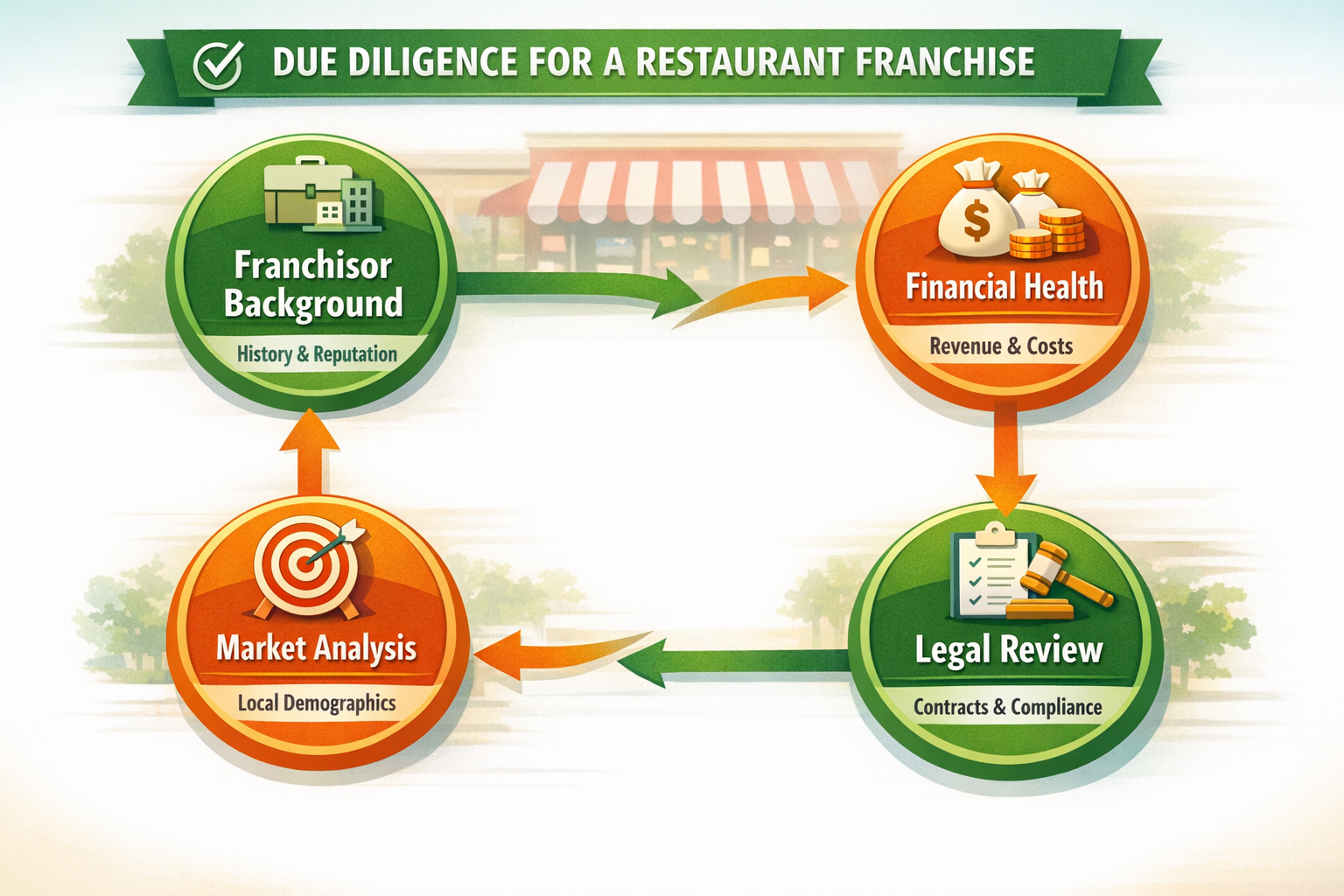
Investing in a food franchise in India, especially a growing segment like a chaat franchise or a pure veg food franchise, presents a golden opportunity. However, it’s crucial to approach it with a clear, strategic mindset. This section outlines the essential “Things to Check Before Investing in a Restaurant Franchise,” forming a comprehensive checklist to guide your decision-making process.
Understanding the Franchisor and Their Business Model
The core of any successful franchise investment lies with the franchisor. Their strength, experience, and vision directly impact your potential for success.
- Franchisor’s Reputation and Track Record: Investigate the franchisor’s history. How long have they been in business? How many franchises have they opened, and what is their success rate? A strong brand like Chaat Ka Chaska, with a clear focus on the Indian street food business, often has a well-established reputation. Look for consistency in their branding and operations.
- Financial Stability of the Franchisor: A franchisor needs to be financially sound to support its franchisees. Are they growing steadily? Do they have sufficient resources to invest in brand development, marketing, and support infrastructure? This is a critical point that directly affects the long-term viability of your investment.
- Vision and Future Plans: Understand the franchisor’s strategic direction. Are they innovating? Do they have plans for expansion, new product development, or technological upgrades? A forward-thinking franchisor demonstrates a commitment to staying competitive in the ever-evolving food and beverage industry.
- Franchisee Relationships: Perhaps one of the most vital steps is to speak with current and former franchisees. Ask about their experiences, the support they receive, profitability, and any challenges they’ve faced. This firsthand feedback is invaluable and often provides insights not found in brochures. Are they happy with their franchise investment India?
Deep Dive into the Financial Aspects
Money matters, and understanding every financial detail is paramount. This goes beyond the initial franchise fee. When considering a restaurant franchise opportunity, ensure you have a complete financial picture.
- Initial Investment Costs: This includes the franchise fee, equipment, leasehold improvements, initial inventory, signage, and training costs. Be sure to account for working capital to cover initial operating expenses before the business becomes profitable. For a low investment food franchise like some pure veg options, these costs might be lower, but they still need careful budgeting.
- Ongoing Fees (Royalties and Marketing): Franchises typically require ongoing royalty fees (a percentage of gross sales) and marketing contributions. Understand how these are calculated and what services you receive in return. Are marketing funds used effectively to promote the brand?
- Return on Investment (ROI) Projections: While franchisors cannot guarantee profits, they can provide earnings claims or financial performance representations (FPRs) in their Franchise Disclosure Document (FDD). Analyze these carefully, considering factors like location, market conditions, and your operational efficiency.
- Profitability of Existing Outlets: Request anonymized financial data from existing franchise units. This will give you a realistic idea of potential revenue and expenses. Are units in similar demographics to yours performing well? How long does it typically take for a new outlet to break even?
- Hidden Costs: Be aware of potential “hidden” costs like unexpected repairs, additional permits, unforeseen marketing expenses, or fluctuating ingredient prices. A contingency fund is always advisable.
Thorough Legal and Regulatory Review
The legal framework of a franchise agreement is complex and binding. Skipping this step can lead to significant problems down the road.
- Franchise Disclosure Document (FDD): This document is your most important resource. It contains 23 items detailing the franchisor’s history, fees, obligations, restrictions, financial performance, and more. Read every section meticulously. For a detailed guide, refer to our article on the Legal Checklist For Restaurant Franchise | Chaat Ka Chaska Tips.
- Franchise Agreement: This is the legal contract between you and the franchisor. It outlines your rights, responsibilities, term of the agreement, renewal options, termination clauses, and intellectual property usage. Do not sign anything without a comprehensive review by a qualified franchise lawyer.
- Intellectual Property and Brand Usage: Understand your rights to use the franchisor’s trademarks, recipes, and operational systems. Ensure the brand is legally protected and that you have clear guidelines for its usage.
- Territory Protection: Does your agreement grant you an exclusive territory? If so, what are the boundaries? This is crucial to prevent internal competition and protect your investment in a specific market.
- Local Regulations and Permits: Beyond the franchise agreement, research all local, state, and national regulations for operating a food business in India. This includes health and safety standards, food licenses, labor laws, and municipal permits.
Market Analysis and Site Selection
Even the best franchise concept can fail without the right market and location. This is especially true for an Indian street food business which thrives on footfall and local preferences.
- Demand for the Product: Is there a strong demand for the specific cuisine or product offered by the franchise in your chosen area? For a vegetarian restaurant franchise, assess the local vegetarian population and dining habits.
- Competitive Landscape: Who are your direct and indirect competitors? What are their strengths and weaknesses? How will your franchise stand out? A thorough competitive analysis is crucial.
- Demographics and Target Audience: Does the local demographic align with the franchisor’s ideal customer profile? For example, a pure veg food franchise might thrive in areas with a higher vegetarian population or close to offices and educational institutions.
- Site Selection Criteria: Understand the franchisor’s requirements for a location (e.g., size, visibility, parking, proximity to foot traffic). Evaluate potential sites rigorously. A prime location can significantly impact profitability. This is particularly important for a quick service restaurant franchise where convenience is key.
- Local Market Trends: Research local food trends, spending habits, and economic indicators. Is the area growing? Are there upcoming developments that could benefit or hinder your business? For insights into specific regions, consider reading about Restaurant Franchise in Small Towns | Chaat Ka Chaska.
Training, Support, and Operational Framework
A key benefit of a franchise is the established system and support structure. You’re buying into a proven model.
- Initial Training Program: What kind of training is provided before you open? Does it cover all aspects of operations, marketing, customer service, and management? Is it hands-on and comprehensive enough for someone new to the food business?
- Ongoing Operational Support: What kind of support can you expect after opening? This includes field visits, operational manuals, trouble-shooting assistance, and regular communication channels. How accessible is the support team?
- Marketing and Advertising Support: How does the franchisor support local and national marketing efforts? What tools, templates, and guidance do they provide? Will you receive assistance with digital marketing, local promotions, and branding? Explore Restaurant Franchise Marketing | Best Restaurant Franchise for more insights.
- Supply Chain and Procurement: How are ingredients and supplies sourced? Does the franchisor have preferred suppliers, and are their prices competitive? Understanding the supply chain is critical for maintaining quality and managing costs, especially for a specific offering like a pure veg food franchise.
- Technology and Systems: What point-of-sale (POS) systems, inventory management software, or customer relationship management (CRM) tools does the franchisor provide or require? Are these systems modern, user-friendly, and efficient?
Why Consider a Pure Veg Food Franchise in India in 2026?
As you go through your “Things to Check Before Investing in a Restaurant Franchise” checklist, it’s worth highlighting the unique advantages of a pure veg food franchise in India. The landscape of the Indian food industry is evolving, and vegetarian options are experiencing unprecedented growth.
The Growing Appeal of Vegetarianism
India has a vast vegetarian population, and even non-vegetarians are increasingly opting for vegetarian meals for health, ethical, and environmental reasons. This trend makes a veg restaurant franchise in India a highly strategic investment. Brands like Chaat Ka Chaska tap into this cultural and dietary preference, offering delicious, authentic, and hygienic pure vegetarian street food.
- Broad Customer Base: A pure veg offering caters to a massive existing market and a growing segment of health-conscious consumers.
- Simpler Operations: Often, pure veg kitchens have simpler supply chain requirements and less complex cross-contamination concerns compared to mixed menus, potentially leading to lower operational costs.
- Cultural Acceptance: Vegetarian food holds deep cultural and religious significance for many in India, making it a universally accepted and often preferred dining option.
Chaat Ka Chaska: A Modern Restaurant Franchise Opportunity
Chaat Ka Chaska exemplifies a modern, profitable food business within the pure vegetarian street food niche. We focus on delivering quality, consistency, and a delightful customer experience, making us one of the best food franchise in India.
By thoroughly evaluating all the “Things to Check Before Investing in a Restaurant Franchise,” you can identify opportunities that align with your financial goals and personal passion. A brand like Chaat Ka Chaska, with its focus on a high-demand niche and comprehensive support, presents an attractive option for aspiring food entrepreneurs looking for a profitable food business.
Conclusion
Investing in a restaurant franchise, particularly in India’s booming pure vegetarian street food sector, can be a highly rewarding venture. However, success hinges on meticulous preparation and a thorough understanding of the commitment involved. By carefully considering all the “Things to Check Before Investing in a Restaurant Franchise” outlined in this comprehensive guide – from evaluating the franchisor’s stability and scrutinizing financial models to understanding legal obligations and assessing market potential – you equip yourself with the knowledge needed to make a smart, informed decision.
Remember, the goal is not just to open a business, but to build a sustainable, profitable food business. Brands like Chaat Ka Chaska offer a compelling restaurant franchise opportunity, providing a proven model and extensive support. Take the time to conduct your due diligence, ask the right questions, and seek professional advice. Your careful planning today will lay the foundation for a thriving entrepreneurial journey tomorrow.
Next Steps:
- Review the FDD: Request and meticulously read the Franchise Disclosure Document (FDD) of any franchise you are considering.
- Consult Professionals: Engage a franchise lawyer and a financial advisor to review all legal documents and financial projections.
- Talk to Franchisees: Connect with multiple existing franchisees to gather firsthand insights into their experiences.
- Visit Locations: Personally visit several operating units of the franchise to observe operations, customer traffic, and overall atmosphere.
- Assess Your Fit: Honestly evaluate if your skills, interests, and financial capacity align with the demands of the chosen restaurant franchise opportunity